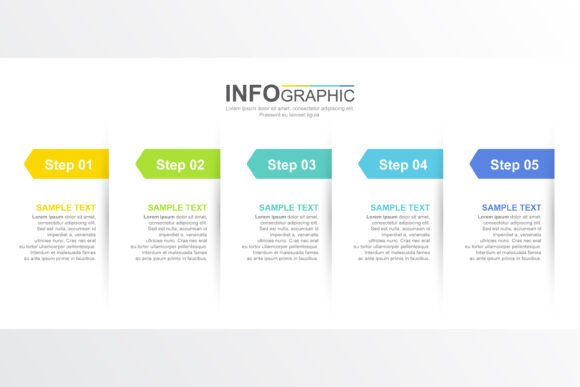
Vertical Infographic with Five Steps: A Visual Tool for Clear Communication
Vertical infographics are a powerful way to convey complex information in a visually engaging format. When combined with the Five Steps framework, they become an essential tool for organizing and presenting processes, strategies, and workflows. Whether you're managing a project, teaching a class, or developing a marketing campaign, vertical infographics can help simplify your message and improve clarity.
What Is Vertical Infographic with Five Steps?
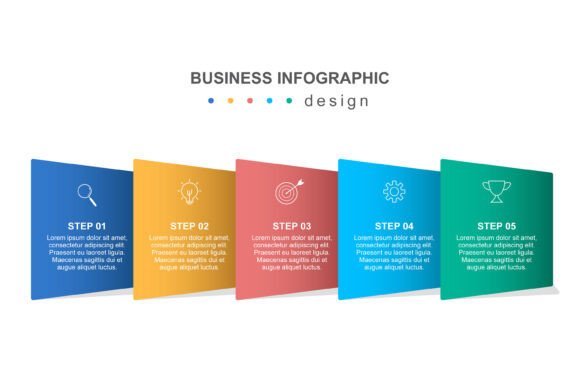
A vertical infographic is a design that is optimized for viewing on mobile devices and desktop screens in a portrait orientation. It typically features a single column layout with sections stacked vertically. The Five Steps approach breaks down a process into five distinct stages, making it easier to follow and understand.
This combination is ideal for visual storytelling. Each step of the process is represented with icons, colors, and text, allowing the viewer to grasp the sequence quickly. It's commonly used in presentations, reports, and digital content where space is limited but information needs to be clear and concise.
Where Does It Fit in a Broader Process?
The Vertical Infographic with Five Steps fits naturally into various stages of a project or workflow. It can serve as a planning tool before starting a task, a reference during execution, or a summary after completion. Its structured format makes it valuable for both linear and non-linear processes.
For example, in a marketing campaign, the five steps might include research, strategy development, content creation, distribution, and analysis. The infographic would visually map each stage, helping team members stay aligned and track progress effectively.
Using It Before a Project
Before launching a new initiative, a vertical infographic can help outline the key steps involved. This ensures everyone on the team understands the process from the start. It also serves as a checklist to confirm that all necessary actions are included.
By using this tool early, you can identify potential roadblocks and plan for them in advance. It also helps set expectations and define roles within the team.
Using It During a Task
During the execution phase, the infographic acts as a visual guide. Team members can refer to it to ensure they’re following the correct sequence of actions. It’s especially useful in fast-paced environments where quick decisions are needed.
For instance, in a software development project, the five steps could be requirement gathering, design, coding, testing, and deployment. The infographic keeps the team focused on the next action without getting sidetracked.
Using It After a Project
After completing a task, the infographic can be used to evaluate what worked and what didn’t. It provides a clear overview of the entire process, making it easier to analyze outcomes and make improvements for future projects.
It also serves as a documentation tool, ensuring that knowledge is preserved and accessible for future reference. This is particularly helpful in organizations where multiple teams may work on similar tasks.
How It Interacts With Other Tools and Resources
The Vertical Infographic with Five Steps works well alongside other project management tools, such as Gantt charts, Kanban boards, and task lists. While these tools focus on scheduling and tracking, the infographic adds a visual dimension that enhances understanding.
It can also integrate with digital platforms like Canva, Adobe Illustrator, or PowerPoint. These tools allow for easy customization and sharing, making it simple to adapt the infographic for different audiences or purposes.
Collaboration and Teamwork
When working with a team, the infographic promotes collaboration by providing a shared visual reference. It reduces misunderstandings and ensures that everyone is on the same page. This is especially important in cross-functional teams where members have different areas of expertise.
It also encourages discussion and feedback. By seeing the process laid out clearly, team members can suggest improvements or ask questions that lead to better outcomes.
Practical Implementation Tips
To get the most out of the Vertical Infographic with Five Steps, consider the following tips:
- Define the purpose: Start by identifying what you want to communicate. Is it a business process, a learning activity, or a creative workflow? Knowing the goal will shape the design and content of the infographic.
- Keep it simple: Avoid cluttering the infographic with too much text or unnecessary details. Use icons and color coding to highlight key points and make the information more digestible.
- Use consistent formatting: Maintain a uniform style throughout the infographic to ensure it looks professional and is easy to read. This includes fonts, spacing, and color schemes.
- Test it with your audience: Before finalizing the design, share it with a small group to gather feedback. This helps identify any confusing elements and ensures the message is clear.
Workflow Examples
Here are a few examples of how the Vertical Infographic with Five Steps can be applied in different scenarios:
- Business Strategy: A company might use the infographic to outline its five-step approach to market expansion. Each step could include research, competitor analysis, product development, launch, and performance evaluation.
- Education: In a classroom setting, a teacher could create an infographic to explain the five steps of writing a research paper. This helps students visualize the process and stay organized.
- Personal Development: An individual working on a fitness goal could use the infographic to break down their journey into five stages, such as goal setting, planning, implementation, tracking, and adjustment.
Factors to Consider for Long-Term Use
When integrating the Vertical Infographic with Five Steps into your workflow, consider factors like preparation, usability, and consistency:
- Preparation: Take time to plan the structure and content of the infographic. This ensures it aligns with your goals and meets the needs of your audience.
- Usability: Make sure the design is user-friendly and accessible. Avoid overly complex layouts that may confuse viewers.
- Consistency: Use the same style and format across all infographics to maintain a cohesive brand identity. This helps reinforce recognition and trust.
- Quality Control: Review the infographic for accuracy and clarity. Ensure that all information is up-to-date and relevant to the intended audience.
Conclusion
The Vertical Infographic with Five Steps is a versatile and effective tool for communicating processes, strategies, and workflows. Whether used in business, education, or personal development, it offers a clear and engaging way to present information. By following best practices and considering practical implementation tips, you can integrate this tool seamlessly into your routine and enhance your ability to convey ideas effectively.