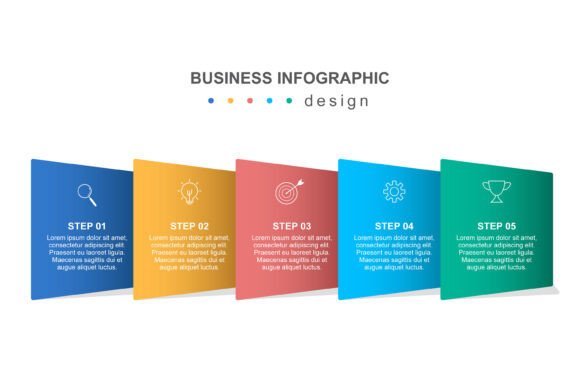
3D Folded Business Infographic Design
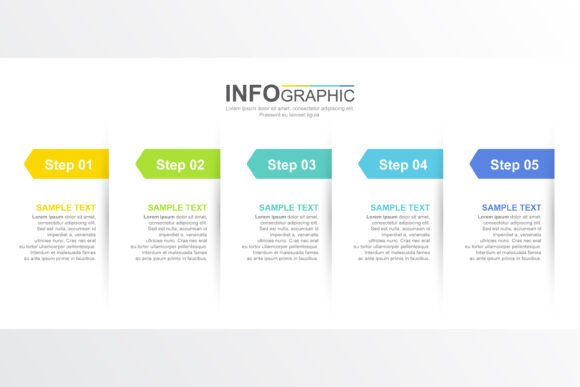
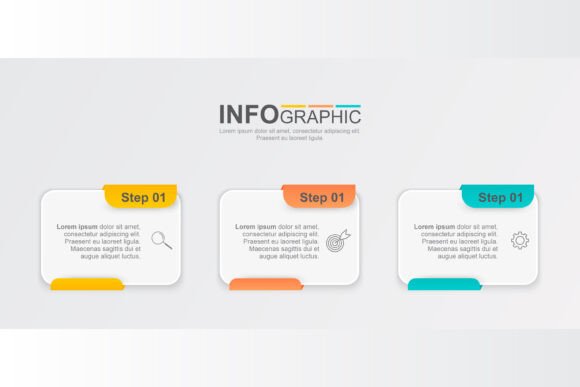
3D folded business infographic design is a modern visual approach that combines creativity with clarity. These designs use layered, three-dimensional elements to represent complex ideas in an engaging and easy-to-understand format. Whether you're presenting data, explaining a process, or showcasing a strategy, 3D folded infographics offer a fresh way to communicate information effectively.
What makes these designs stand out is their ability to blend aesthetics with functionality. The use of vibrant colors, dynamic shapes, and intuitive layouts helps capture attention while maintaining professionalism. This style is particularly useful for businesses and educators who want to convey messages with both visual appeal and practical value.
Why 3D Folded Infographics Matter
In today's fast-paced digital world, the ability to present information clearly is more important than ever. 3D folded infographics help simplify complex data by breaking it into digestible parts. Each layer can represent a different stage, idea, or component, making it easier for audiences to follow along without feeling overwhelmed.
These designs are also ideal for presentations and reports where visual storytelling plays a key role. By using depth and perspective, they create a sense of movement and engagement that static visuals often lack. This makes them a powerful tool for marketers, entrepreneurs, and educators looking to make an impact.
Creative Possibilities and Applications
The versatility of 3D folded business infographic design allows for a wide range of applications. From workflow diagrams to strategic planning charts, these visuals can be adapted to suit various industries and purposes. For example, a marketing team might use a 3D folded infographic to illustrate customer journey stages, while a project manager could use it to outline task dependencies.
Another creative use is in educational materials. Teachers and trainers can leverage these designs to explain processes, historical events, or scientific concepts in a visually compelling way. The interactive nature of 3D elements can make learning more engaging and memorable for students.
For small businesses, 3D folded infographics can serve as a valuable marketing asset. They can be used in social media posts, email campaigns, or even printed brochures to showcase products, services, or company values. The right design can help businesses stand out in a crowded market while maintaining a professional image.
Adapting for Different Goals and Audiences
One of the strengths of 3D folded business infographic design is its adaptability. Depending on the target audience, the style, color scheme, and level of detail can be adjusted to better resonate with viewers. A younger audience might appreciate bold colors and playful elements, while a corporate audience may prefer a more subdued and structured layout.
When creating for different platforms, such as websites, mobile apps, or print materials, the design can be optimized for each format. For instance, a 3D folded infographic intended for a website might include interactive elements, while a print version could focus on high-resolution details and clear typography.
Additionally, the choice of file formats plays a crucial role in how the design is used. AI and EPS files are ideal for editing and scaling, making them perfect for designers who need flexibility. JPEG files, on the other hand, are great for quick sharing and embedding in presentations or web pages.
Best Practices for Effective Designs
To ensure your 3D folded business infographic is both visually appealing and effective, consider the following tips. First, keep the layout clean and organized. Avoid overcrowding the design with too many elements, as this can confuse the viewer. Instead, focus on one main idea per section and use spacing to guide the eye through the content.
Consistency in color and icon usage is also essential. A cohesive palette and uniform symbols help maintain a professional look and make the information easier to digest. Additionally, choose fonts that are readable and match the tone of the content—whether it's formal, casual, or creative.
Finally, test your design with a sample audience to see how well it communicates the intended message. Feedback can reveal areas for improvement and help refine the final product to better meet the needs of the target audience.
Getting Started with 3D Folded Business Infographics
If you're new to 3D folded business infographic design, start by exploring existing examples to understand what works well. Look for designs that align with your goals and study how they balance form and function. This can provide valuable insights into layout, color choices, and visual hierarchy.
Once you have a clear idea of your vision, consider using tools or templates that support 3D effects. Many graphic design software programs offer features that allow for layering and depth, making it easier to create professional-looking infographics. Alternatively, you can work with a designer who specializes in this style to bring your ideas to life.
Remember, the key to success lies in clarity and purpose. Every element of the design should serve a specific goal, whether it's to inform, persuade, or entertain. With the right approach, 3D folded business infographics can become a powerful addition to your communication toolkit.
Conclusion: Elevate Your Visual Communication
3D folded business infographic design offers a unique and effective way to present information in a visually engaging manner. By combining creativity with structure, these designs help simplify complex ideas and make them more accessible to a wider audience.
Whether you're a marketer, educator, or entrepreneur, incorporating 3D folded infographics into your work can enhance your messaging and leave a lasting impression. With the right tools, techniques, and inspiration, you can create visuals that not only look great but also deliver real value.