Timeline Flowchart. Workflow Annual: A Strategic Tool for Business Success
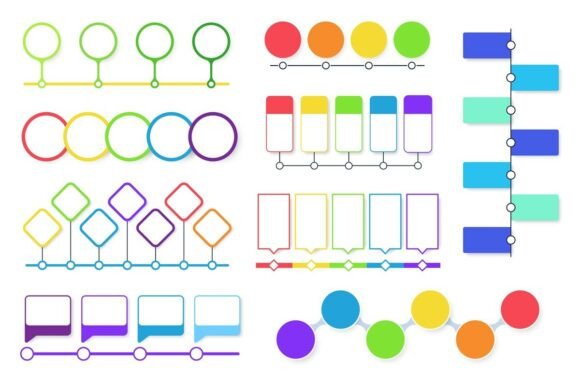
In the fast-paced world of business, effective planning and organization are essential to achieving long-term goals. One powerful tool that helps businesses visualize and manage their processes is the Timeline Flowchart. Workflow Annual. This resource offers a structured way to map out annual workflows, ensuring that every step of a project or marketing campaign is clear, organized, and aligned with broader objectives.
The Timeline Flowchart. Workflow Annual serves as both a visual guide and a strategic framework. It breaks down complex processes into manageable phases, allowing teams to track progress, identify potential bottlenecks, and make informed decisions. Whether you're managing a marketing campaign, developing a product, or planning an annual report, this tool can help streamline your workflow and improve overall efficiency.
Understanding the Challenges and Needs of Businesses
Many businesses struggle with disorganization, missed deadlines, and unclear responsibilities. Without a clear roadmap, teams may find themselves working in silos, leading to confusion and inefficiency. Additionally, aligning different departments—such as marketing, sales, and operations—can be challenging without a shared understanding of the workflow.
For companies that rely on annual planning, the need for a structured approach becomes even more critical. An annual report, for example, requires coordination across multiple teams, from data collection to design and distribution. Similarly, marketing campaigns often involve several stages, including research, content creation, execution, and analysis. Without a clear timeline, these processes can become disjointed and ineffective.
How Timeline Flowchart. Workflow Annual Can Help
The Timeline Flowchart. Workflow Annual addresses these challenges by providing a visual representation of the entire process. It allows teams to see the big picture while also focusing on individual tasks. By mapping out each phase of a project, businesses can ensure that all team members understand their roles and responsibilities.
This tool also helps in identifying potential roadblocks before they occur. For instance, if a particular task is scheduled too close to a deadline, the flowchart can highlight the risk of delays. This proactive approach enables teams to adjust timelines or allocate additional resources as needed.
Practical Applications of Timeline Flowchart. Workflow Annual
One of the most common applications of the Timeline Flowchart. Workflow Annual is in marketing planning. Marketing teams can use it to outline the steps involved in launching a new product, running a social media campaign, or preparing for a trade show. Each stage—from initial research to post-campaign analysis—can be clearly defined, ensuring that no detail is overlooked.
Another practical use is in project management. Whether it's a software development project, a construction initiative, or a product launch, the flowchart provides a clear sequence of actions. This helps in setting realistic deadlines, tracking progress, and maintaining accountability.
Annual reports and website updates also benefit from this approach. By using the Timeline Flowchart. Workflow Annual, organizations can plan the content creation, design, and publishing phases in advance. This ensures that the final output is cohesive, timely, and meets the desired standards.
Examples and Recommendations
Consider a company planning its annual marketing strategy. Using the Timeline Flowchart. Workflow Annual, the team could break down the process into key milestones, such as market research, budget allocation, content creation, and campaign launch. Each milestone would have specific tasks, responsible parties, and deadlines, making it easier to monitor progress.
For a website redesign project, the flowchart could include steps like gathering stakeholder input, designing mockups, developing the site, testing, and launching. This structured approach ensures that all aspects of the project are covered, reducing the risk of oversights or delays.
When implementing the Timeline Flowchart. Workflow Annual, it's important to involve all relevant stakeholders. This promotes collaboration and ensures that everyone has a clear understanding of the plan. Additionally, regular reviews and updates to the flowchart can help keep the project on track and adapt to any changes.
Customizing the Approach for Different Users
While the Timeline Flowchart. Workflow Annual is a valuable tool for many businesses, its application can vary depending on the user's needs and goals. A small startup might use it to manage a single project, while a large corporation could apply it to multiple departments or initiatives.
Some users may prefer a digital version of the flowchart, using project management software to track progress in real time. Others may opt for a printed or illustrated version, especially when presenting to clients or stakeholders. The flexibility of the Timeline Flowchart. Workflow Annual makes it adaptable to various workflows and industries.
Conclusion
The Timeline Flowchart. Workflow Annual is more than just a planning tool—it's a strategic asset that can transform the way businesses operate. By providing a clear, visual representation of annual workflows, it helps teams stay organized, meet deadlines, and achieve their goals. Whether you're managing a marketing campaign, planning an annual report, or overseeing a complex project, this resource can enhance your productivity and ensure that every step of the process is well-managed.
Investing in a Timeline Flowchart. Workflow Annual is an investment in clarity, efficiency, and success. With the right approach, it can become a cornerstone of your business strategy, helping you navigate the challenges of annual planning with confidence and precision.